
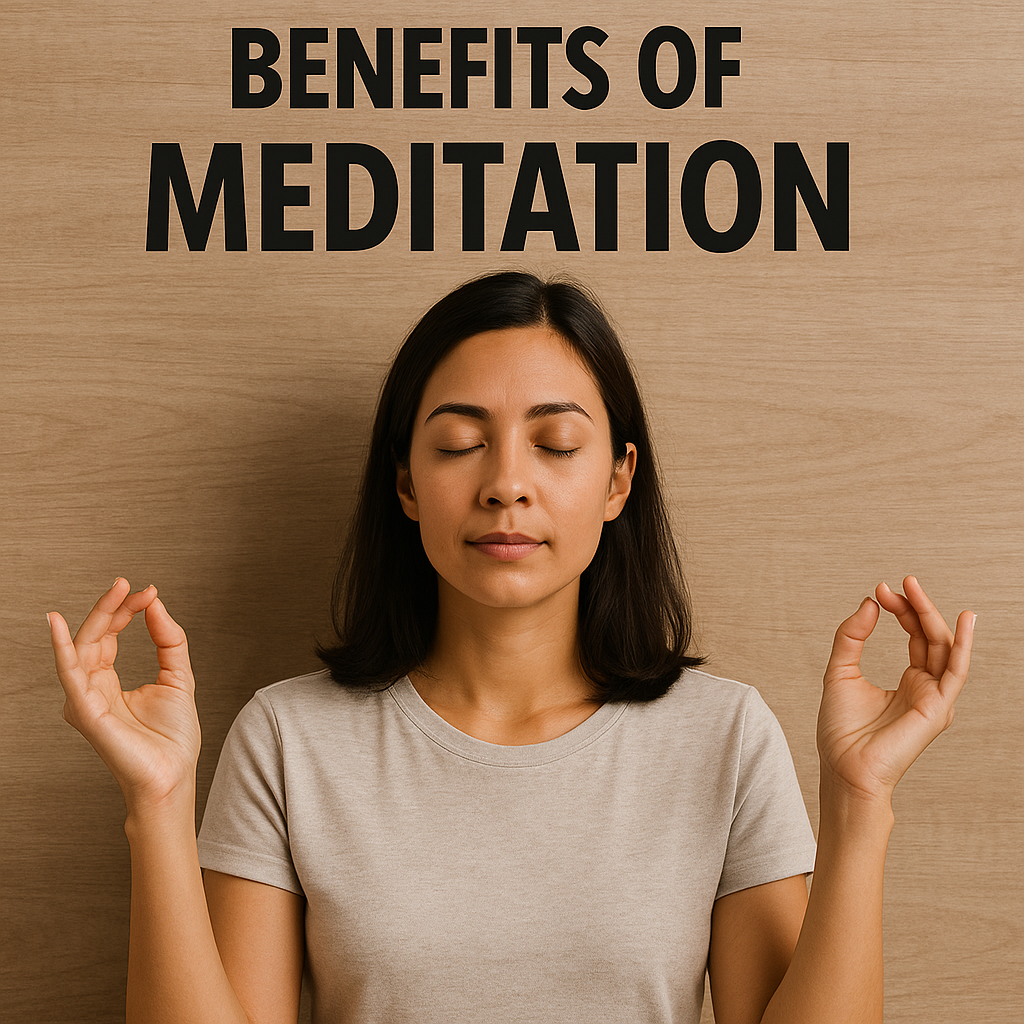
The Power of Stillness: How Meditation Can Transform Your Mind and Life
In our fast-paced, constantly connected world, finding moments of peace can feel impossible. Yet thousands of years of practice and modern neuroscience agree on one thing: meditation is one of the most powerful tools we have for mental well-being, stress reduction, and personal growth.
What Meditation Actually Does to Your Brain
Meditation isn’t just about feeling calm in the moment—it literally rewires your brain. Research using brain imaging shows that regular meditation practice increases gray matter in areas associated with learning, memory, and emotional regulation, while reducing activity in the amygdala, your brain’s alarm system responsible for stress and fear responses.
Studies have found that people who meditate regularly experience reduced anxiety, improved focus, better emotional stability, and even enhanced immune function. Perhaps most remarkably, these benefits can begin to appear after just eight weeks of consistent practice.
Types of Meditation to Explore
Mindfulness Meditation The most widely studied form, mindfulness involves paying attention to the present moment without judgment. You might focus on your breath, bodily sensations, or simply observe thoughts as they come and go.
Loving-Kindness Meditation This practice involves directing feelings of love and compassion toward yourself and others. Research shows it can increase positive emotions and reduce implicit bias.
Body Scan Meditation A technique where you systematically focus attention on different parts of your body, promoting relaxation and body awareness.
Walking Meditation Perfect for those who find sitting still challenging, this involves bringing mindful awareness to the act of walking.
Getting Started: Your First Steps
Start Small Begin with just 5-10 minutes daily. Consistency matters more than duration. Many successful meditators started with just three minutes a day.
Find Your Space Choose a quiet, comfortable spot where you won’t be disturbed. It doesn’t need to be elaborate—a corner of your bedroom or even your office chair works fine.
Focus on Your Breath When thoughts arise (and they will), gently return your attention to your breathing. This isn’t failure—it’s the practice.
Use Guided Resources Apps like Headspace, Calm, or Insight Timer offer excellent guided meditations for beginners. YouTube also has countless free options.
Common Myths Debunked
Myth: You need to empty your mind completely Reality: The goal isn’t to stop thinking but to change your relationship with thoughts.
Myth: You need special equipment or postures Reality: You can meditate sitting in a chair, lying down, or even standing.
Myth: Meditation is religious Reality: While meditation has roots in various spiritual traditions, it can be practiced secularly as a mental health tool.
Making It Stick
The key to building a meditation habit is making it as easy as possible. Link it to an existing routine—meditate right after brushing your teeth or before your morning coffee. Set reminders on your phone. Remember that even one mindful breath is better than none.
The Ripple Effect
Regular meditation practice often leads to positive changes that extend far beyond your meditation cushion. Many practitioners report improved relationships, better decision-making, increased creativity, and a greater sense of overall life satisfaction.
Your Journey Begins Now
Meditation isn’t about achieving some mystical state—it’s about training your mind to be more present, calm, and aware. Like physical exercise strengthens your body, meditation strengthens your mental resilience and emotional well-being.